When Did a Home Stop Being a Home? Canadian Shelter Now an Investment Vessel

Nov 27, 2025

There was a time — and this feels like ancient mythology now — when Canadians bought homes to live in. They chose neighbourhoods based on where their kids could bike safely, where they could host birthday parties in the backyard, where they could borrow a cup of sugar from a neighbour they genuinely liked. A home was shelter, community, stability, roots.
Fast forward to 2025, and the country collectively treats housing like it’s the last asset class on earth. A home is no longer something you live in; it’s something you extract, optimize, leverage, flip, assign, arbitrage, and mortgage to death.
The emotional warmth once tied to shelter has been smothered by spreadsheets, cap rate calculations, HELOC strategies, and TikTok “side hustle” coaches explaining how to “scale to 15 doors before 30.” Housing has become not just financialized — but hyper-financialized, a commodity more aggressively traded than oil futures, crypto tokens, or Taylor Swift concert tickets.
So the question is painfully simple:
When did Canadian homes stop being homes?
And the answer is even more painful:
When the country realized you could earn more from sitting on a couch watching your home appreciate than from actual work.
Welcome to Canada — where your house hustles harder than you do.
The Great Canadian Pivot: From Living Space to Tax Strategy
Let’s start here:
Housing used to be protection from the weather. Now it’s protection from inflation.
Now it’s protection from retirement insecurity.
Now it’s protection from asset poverty, wage stagnation, and the terrifying fear of being a lifelong renter in a country that treats renters like background characters.
Somewhere around 2008–2016, a national switch flipped. The regular household making $70k a year suddenly saw friends, coworkers, and relatives building wealth not from savings or promotion, but from owning property during a period of explosive inflation, cheap credit, global capital inflows, and speculative fever.
By 2024, the average Vancouver homeowner earned more from their home’s appreciation than the average Vancouverite earned by going to work.
Let me repeat that:
Your boss didn’t give you a raise — your house did.
And your house gave you a better one.
This changed everything.
Why chase higher wages when you could chase higher square footage?
Why invest in RRSPs when you could invest in a pre-sale?
Why worry about retirement when your third condo’s equity line could “retire you”?
Suddenly the home wasn’t a home — it was a financial escape ladder. And every Canadian was desperately scrambling to grab one.
Houses Became the New Stocks — But Even More Addictive
There are three psychological reasons Canadians became obsessed with property speculation:
1. It’s visible wealth.
You can see your home. The granite countertops. The hardwood floors. The view you tell everyone about. Stocks are digital numbers; houses are ego monuments.
2. It feels safer than riskier investments.
People fear stocks, crypto, and entrepreneurship. Housing feels “safe” because you physically live in it. It’s tangible, familiar, less abstract.
3. It’s socially rewarded.
Homeownership in Canada is treated like moral success.
You bought a home? Congratulations!
You bought two? Wow!
Three? Legend.
Fifteen? VIP seat in the economy.
This cultural obsession transformed Canadian homes into status symbols, not shelter. Dinner-table conversations shifted:
1999:
“How big is your backyard?”
2025:
“What’s your HELOC limit and how many doors do you control?”
Housing is no longer personal. It’s performative.
Foreign Money Didn’t Break the System — Canadians Did
Let’s address the scapegoat everyone loves to overuse:
Foreign buyers.
Yes, they contributed to price escalation, especially in Vancouver and Toronto.
Yes, there were years when global capital from China, the U.S., Iran, and corporate investors played a massive role.
But let’s be brutally honest:
Canadian investors — everyday Canadians — became far bigger drivers of speculation.
By 2022, over 30% of all new mortgages in Ontario and BC were taken out by investors, not first-time buyers.
By 2023, investor purchases outnumbered first-time buyer purchases in multiple urban regions.
By 2024–2025, the Canadian real estate investor had become a national archetype:
owns 3–12 properties
uses HELOCs creatively
follows Real Estate TikTok
treats tenants like passive income generators
calls themselves “financially literate”
has zero interest in selling unless forced by rising rates
is deeply offended by vacancy taxes because they reduce ROI on “their” empty units
Foreign buyers didn’t financialize Canadian housing.
Canadians did.
Homegrown, Maple-Leaf, “I’m building generational wealth bro” Canadians.
The Pre-Sale Addiction: Buy Now, Sell Later, Touch Grass Never
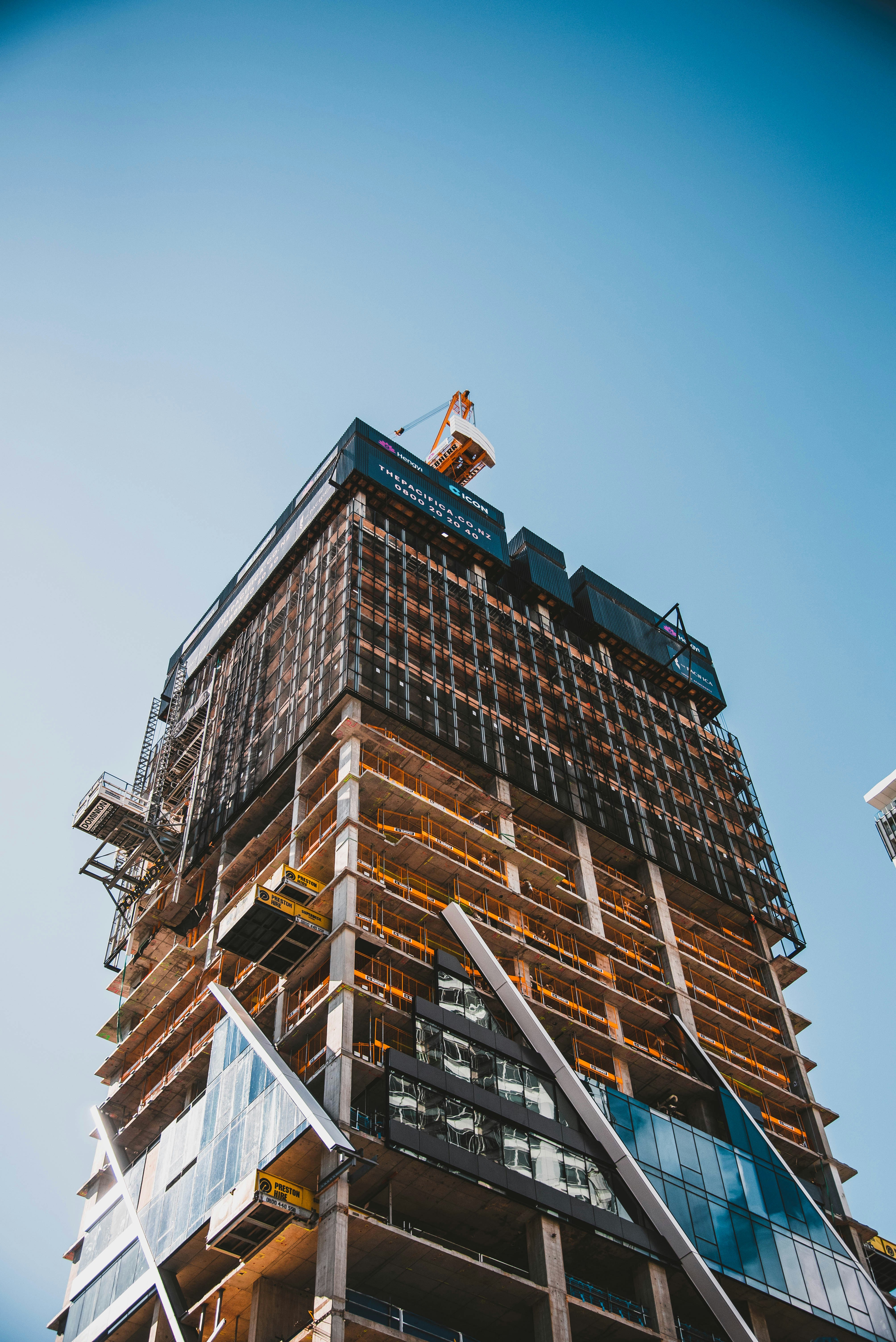
If there was one product that pushed Canadian housing from “home” to “financial instrument,” it was the pre-sale condo.
Pre-sales turned average people into mini-developers. You didn’t need capital. You didn’t need a mortgage. You didn’t need cash on hand. All you needed was a deposit, a big dream, and the ability to stay delusional for 4 years while the tower was being built.
Developers pitched it as a “no-brainer wealth-building hack.”
You pay:
10% down.
You wait:
3–5 years.
You hope:
The market skyrockets.
Then you flip the paper — the assignment — and pocket the difference.
No tenants. No repairs. No carrying costs. No effort.
It was the closest thing Canada ever had to a legal money-printing machine.
Until 2023–2025.
That’s when the music stopped.
Interest rates soared.
Carrying costs jumped.
Assignments sat on the market untouched.
Investors panicked.
And thousands of units completed with mortgages nobody wanted to touch.
Suddenly, the pre-sale wasn’t a “massive opportunity.”
It was a massive liability.
Housing had officially shifted from “investment vehicle” to booby-trapped financial product.
But it was too late. The culture had already transformed. Canadians didn’t want homes. They wanted inventory.
Tenants Became Data Points on a Spreadsheet
The moment housing became an investment class, tenants became:
cash flow indicators
risk-factors
potential loss-generators
cap-rate disruptors
variables
…everything except human beings who needed shelter.
This is why Canada is experiencing a social fracture beneath the surface.
When homeowners treat housing as an investment, and renters treat housing as survival, you get polarizing narratives:
Homeowners:
“Rents need to rise — my costs have increased.”
Renters:
“Why am I subsidizing your leveraged investment choice?”
Homeowners:
“It’s not personal — it’s just business.”
Renters:
“That’s the problem.”
Canada has no unified housing identity anymore.
We have two countries:
The ownership class — who sees housing as capital.
The renting class — who sees housing as shelter.
They are incompatible.
And the gap is getting wider.
Governments Made It Worse — By Accident or Design
Canadian housing policy for the last 25 years can be summarized in one sentence:
“We will do absolutely anything to keep prices high.”
Every level of government, regardless of ideology, ideology, region, or crisis — has prioritized protecting housing values.
Here are some of the policies that entrenched the investment mentality:
1. The Principal Residence Capital Gains Exemption
The crown jewel.
The big kahuna.
The holy grail of Canadian tax avoidance.
No tax on home appreciation.
Bought for $300k, sold for $2.1M?
You keep all of it.
Politicians will never touch this because 70% of their voting base would riot.
2. Ultra-Low Interest Rates for a Decade
Money flowed like water.
Mortgages were practically free.
Investors multiplied.
3. CMHC Backing and Mortgage Securitization
This made the government financially dependent on high home prices.
If home prices fall too far, CMHC’s balance sheet shrinks, and the economy tanks.
4. No meaningful speculation tax until 2025
It took decades to even acknowledge speculative flipping as a systemic issue.
Meanwhile:
Developers thrived.
Banks thrived.
Investors thrived.
Homeowners thrived.
Renters?
They got a cartoon “housing benefit” that barely covers a loaf of bread.
The Emotional Erosion: Canadians Don’t Even Dream of Homes Anymore
Ask a Millennial or Gen Z renter what homeownership means to them and the answers are heartbreaking:
“I just want stability.”
“I want to stop moving every 12 months.”
“I want a door I can close.”
“I want to stop being treated like a temporary guest in my own city.”
“I’m scared I’ll never afford a family.”
The dream of a home is gone.
Replaced with the dream of economic survival.
Canada accidentally created a class of citizens who believe:
renting is unstable
ownership is impossible
the system wasn’t built for them
and that someone else is winning the game they can’t even afford to play
A country becomes fragile when its younger generations believe they have no stake in its future.
Housing destroyed that stake.
So — When Did Housing Stop Being a Home?
There isn’t a single year or moment.
It was a slow cultural shift, a creep, a gradual corrosion:
When appreciation beat salaries.
When homeowners became landlords out of necessity.
When investors outnumbered first-time buyers.
When pre-sales became lottery tickets.
When HELOCs replaced savings.
When people bought properties they never intended to live in.
When governments structured policies around asset protection, not people.
When developers built “investable units” instead of communities.
When rents started rising faster than human wages could keep up.
When TikTok real estate coaches declared renting a “waste of money.”
When homes became part of a retirement plan.
When every dinner party turned into a seminar on equity extraction.
It didn’t happen overnight.
It happened because Canadians slowly stopped needing shelter — and started needing capital.
Housing didn’t become financialized by accident.
It became financialized because Canada built an economy where owning property was the only reliable way to get ahead.
And in that shift, the soul of housing — comfort, safety, belonging — got lost.
What Comes Next? The Reckoning
The biggest lie in Canadian housing is that this level of financialization is sustainable. It isn’t.
An economy built on the premise that houses must always go up eventually breaks.
Right now in 2025, we are starting to see:
rising inventory
falling sales
stagnant wages
over-leveraged investors struggling
pre-sales collapsing
assignments flooding the market
insurance costs skyrocketing
landlords negative-cash-flowing each month
Airbnbs being force-regulated
empty condos being taxed
immigration policies tightening
mortgage renewals destroying disposable incomes
A correction is not only possible.
It is structurally necessary.
Housing cannot continue being Canada’s national bank, retirement plan, tax shelter, wealth vehicle, and ego trophy all at once.
Something is going to give.
And when it does, Canadians may rediscover what a home actually is:
Not an asset.
Not a strategy.
Not a retirement plan.
Not a flex.
Not an investment.
But a place to live.
Imagine that.