Shelter vs. Speculation: Who’s Truly Living in Canada’s Cities?

Dec 16, 2025
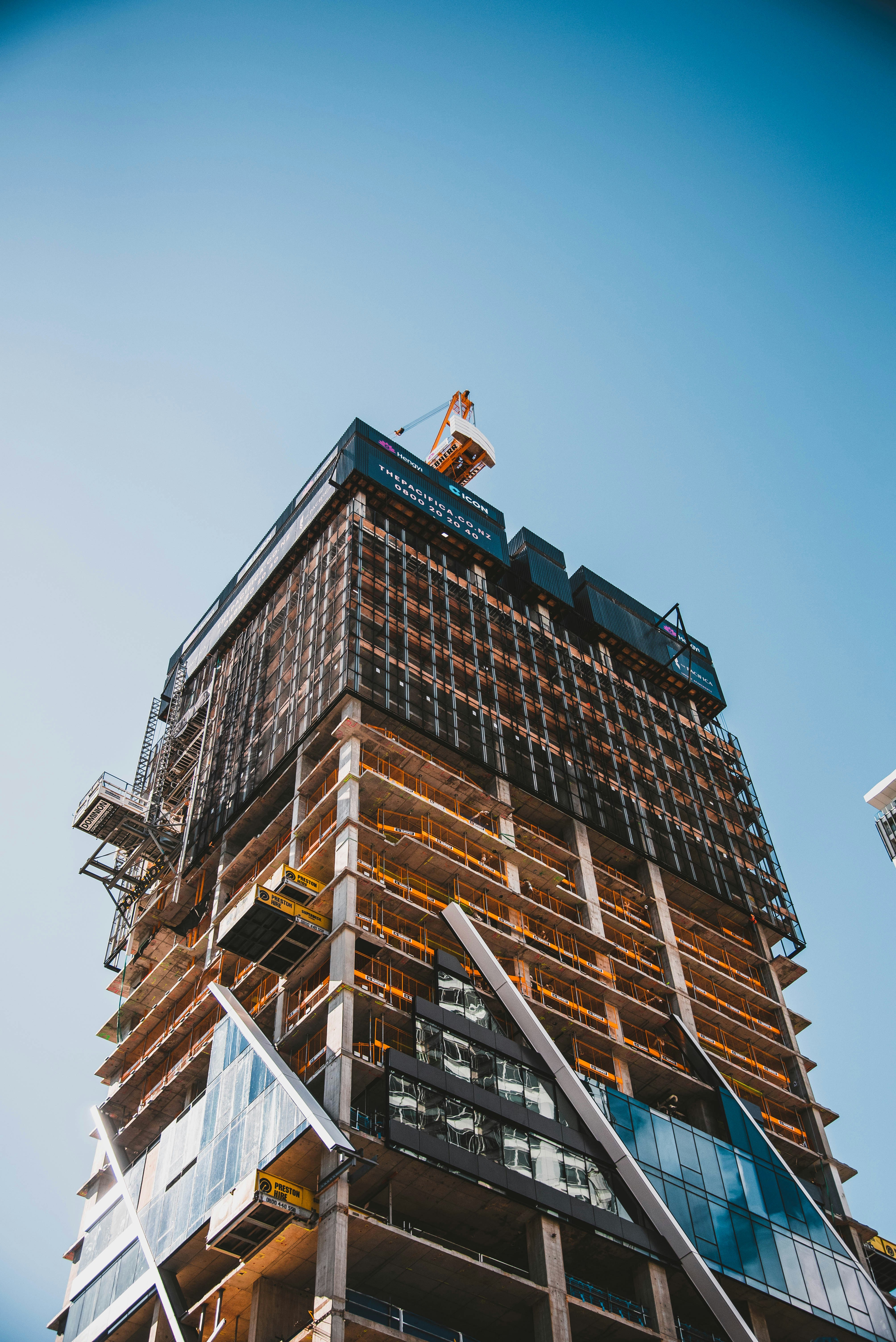
Walk through any major Canadian city and you’ll see the same surreal paradox repeated over and over: towers built for thousands, glowing with maybe fifty warm windows at night. Streets lined with new purpose-built rentals that mysteriously rent slower than expected. “Luxury residences” with pristine lobbies, spotless mailrooms, empty gyms — and neighbours no one ever sees. Meanwhile, on the ground, families are squeezed into illegal basement suites, students are sharing living rooms with plywood dividers, and seniors are being renovicted out of the places they’ve lived in for thirty years.
Somewhere between the cranes and the chaos, Canada’s housing market stopped being about housing people. It became a marketplace for storing, multiplying, and protecting money. The result is the bizarre urban ecosystem we live in today: a world where there can be both a housing shortage and a housing excess at the same time, depending entirely on where you look and who the home was designed to serve.
Cities are supposed to be places where people live, work, grow, and age. But in 2025, the biggest Canadian cities feel like something else entirely: financial jurisdictions, where the buildings aren’t homes — they’re inventory. They’re assets. They’re wealth vaults. They’re tax strategies. They’re a way to hold global capital in physical form.
But they’re not necessarily shelter.
And that’s the uncomfortable truth most policymakers don’t want to admit.
Let’s break down exactly how Canada ended up with cities full of housing that doesn’t house, residents who are priced out of the cities they support, and ownership patterns that make our urban centres feel increasingly hollow.
This is the battle between shelter and speculation — and how speculation won.
The Original Sin: Housing Became an Investment Before It Ever Became a Social Good
Canada didn’t stumble into this problem. We engineered it.
For decades, all three levels of government sent the same message:
Real estate is the safest way to build wealth
Homeownership is your retirement plan
If you don’t own, you’re falling behind
Property values must go up forever
It wasn’t subtle. It was cultural. Parents drilled it into their kids. Politicians ran on it. Banks marketed it. Developers monetized it. CMHC insured it. And for a long time, people were rewarded for believing it.
Then the global economy shifted — and Canadian cities became target destinations for capital, migration, investment, and global wealth storage. Housing wasn’t just a financial asset anymore — it became a speculative commodity.
The problem?
You cannot prioritize infinite wealth growth and universal affordability at the same time.
You can only pick one.
And we didn’t just pick the speculative path — we industrialized it.
The Rise of the Ghost Towers: Empty Units With Perfect Views of a Broken Market
Let’s talk about the most visible symptom of the problem: empty homes.
Not just vacant in the short term — vacant structurally, vacant by design.
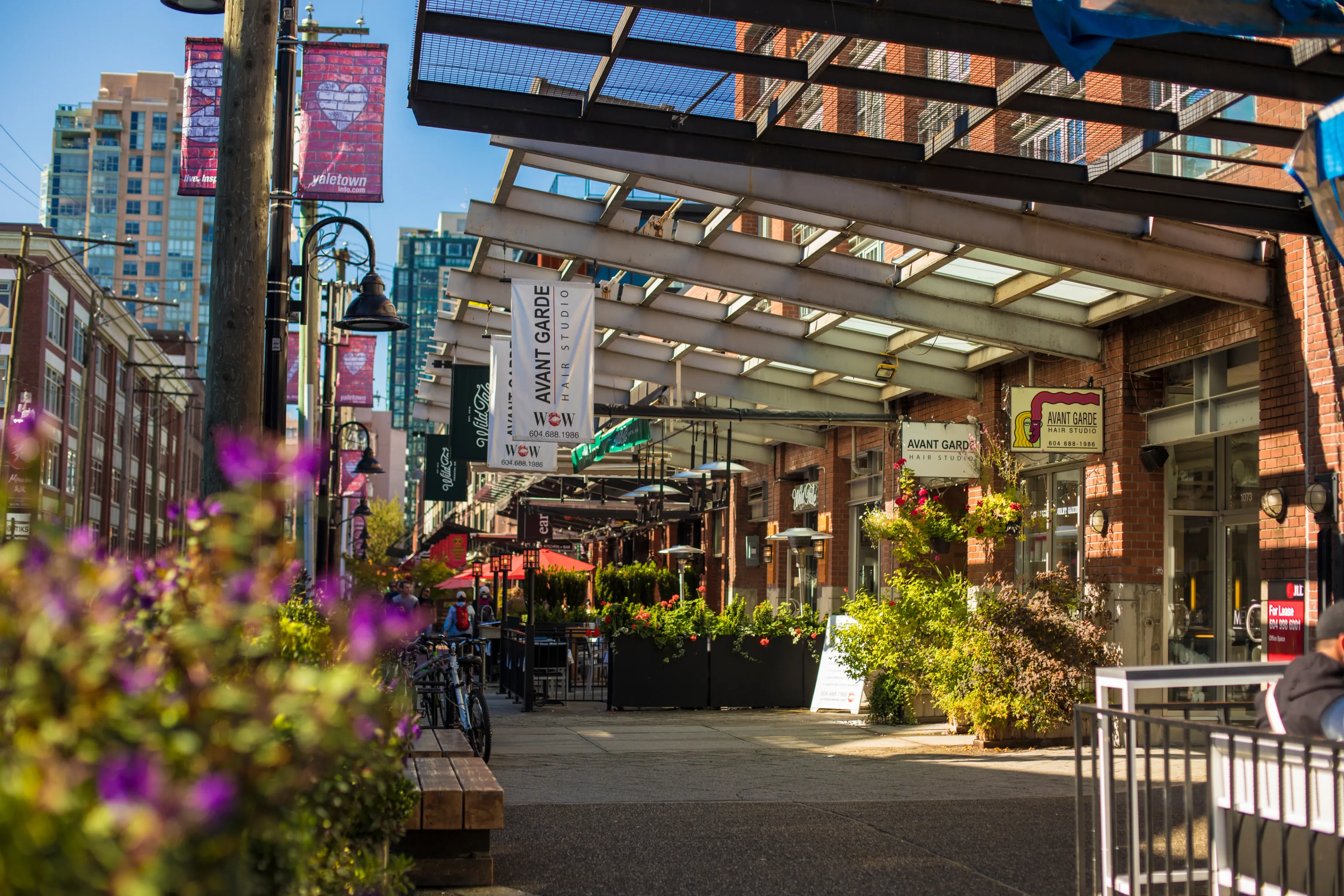
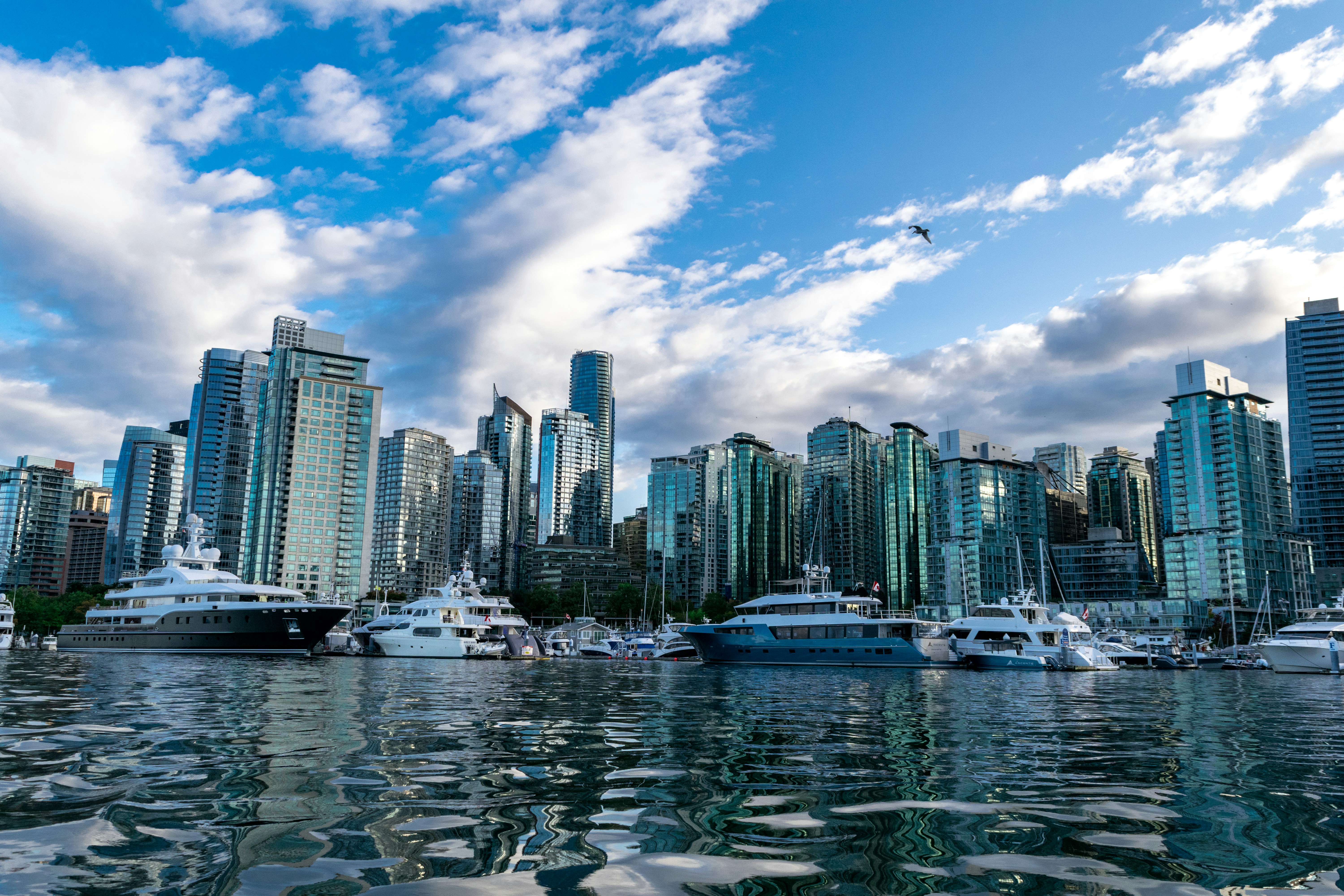
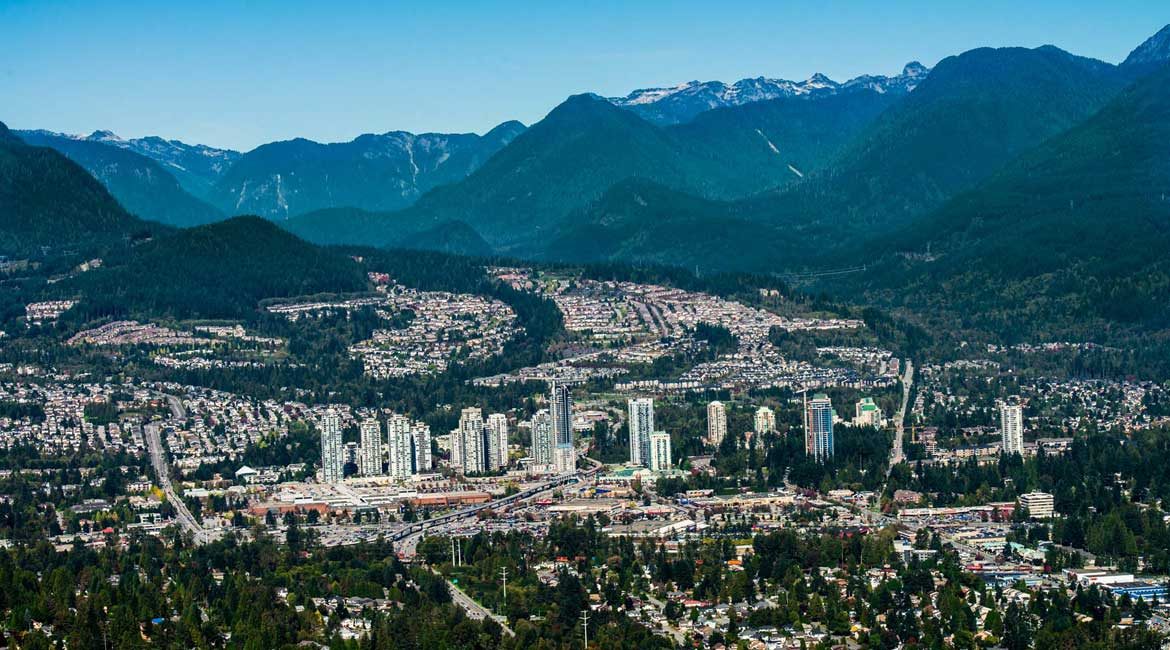
If you walk around downtown Vancouver, Coal Harbour, Yaletown, parts of Burnaby’s Brentwood and Metrotown, downtown Toronto’s CityPlace, King West, Liberty Village, or Edmonton’s Ice District, you’ll find the same pattern: glass condos with more darkness than light every night.
Why? Because the people who “live” in those homes don’t live in Canada full time — and sometimes not at all.
The residents fall into a few categories:
1. Non-resident global owners purchasing units as wealth storage
People who visit a few weeks a year, if that. A condo replaces the offshore bank account — but prettier.
2. Domestic investors parking money in pre-sales for appreciation only
They never intended to live in it. Some never intended to rent it out. The goal was capital gains.
3. Satellite families
The spouse and kids live in Canada; the money, business, and tax residency stay abroad. The earners sometimes come once or twice a year.
4. Corporate owners
Holding companies owning dozens of units — as assets, not dwellings.
5. Flippers who can afford to carry empty inventory
Especially in markets where assignment flipping used to be a goldmine.
None of these groups violate any laws. But collectively, they distort the most fundamental reality of a housing market:
Homes are supposed to house people. Not just money.
Empty homes don’t change the supply picture for real people.
Empty homes don’t add rental stock.
Empty homes don’t build communities.
Empty homes don’t support small businesses, schools, or local infrastructure.
The city grows, but the population density doesn’t.
The towers rise, but the neighbourhoods don’t fill.
A city can’t thrive like this.
Who Actually Lives in These Buildings? The Ownership Patterns No One Wants to Talk About
When you dig into the ownership structure of Canadian urban housing, a few things become clear:
A. The most expensive units are the least occupied
Everyone knows it, no one wants to say it out loud. The penthouses and top floors? Ghost towns.
B. Investors own a huge share of the condo stock
In many buildings, the number is 40–60% or higher. These aren’t future homes for young families — they’re leverage vehicles.
C. Units get subdivided in bizarre ways
One-bedrooms become two-roommate micro-prisons. Dens become bedrooms. Solariums become “micro-suites.” All because the investor landlord wants to maximize rent.
D. Long-term tenants get displaced for short-term gain
Renovictions. Above-guideline rent increases. AirBnB conversions. These aren’t accidents — they’re tactics.
E. Owner-occupiers are becoming the minority
And in communities where no one owns and few people stay longer than 12–18 months, everything becomes transient:
Schools suffer
Local businesses churn
Community weakens
Crime subtly shifts
People stop knowing, or caring about, their neighbours
It’s not “urban vibrancy.”
It’s urban instability.
The Shock Absorber of Speculation: Renters Are Paying for Everyone Else’s Investment Strategy
When homes stop functioning as shelter, renters become the buffer that keeps the system financially viable. And that’s exactly what’s happening.
Investors calculate their holding costs and pass the shortfall directly to tenants:
Higher mortgages → higher rents
Higher taxes → higher rents
Higher insurance → higher rents
Higher strata fees → higher rents
Higher interest rates → astronomically higher rents
Tenants don’t see the appreciation, the principal paydown, or the tax advantages — but they subsidize all of it.
Renters are literally paying for investment strategies they will never benefit from.
And it’s not even sustainable for landlords anymore. Many can’t cover costs even at today’s extreme rents. But they continue holding properties because the capital gains matter more than the rental income.
This is what happens when speculation becomes the underlying purpose of housing.
The Foreign Ownership Debate: Everyone Has Opinions, Few Have Data
Foreign ownership became the lightning-rod political topic, mostly because it was the easiest group to blame.
But the real story is more complex:
Yes, non-resident ownership exists — and affects pricing in certain segments.
Especially in luxury condos, pre-sale units, and markets like Vancouver, Richmond, Markham, and parts of Toronto.
No, foreign buyers are not the majority of the problem.
Domestic speculation dwarfs foreign buying in total volume.
Yes, foreign capital shaped the pricing psychology of entire markets.
Even if non-residents weren’t the biggest buyers, they were often the highest bidders — and set the price ceiling that locals then mimicked.
No, banning foreign buyers alone will not fix affordability.
Because the structural issue isn’t nationality — it’s financialization.
Remove foreign buyers, and domestic investors will simply absorb the supply.
Housing is no longer local. That’s the problem.
The Pre-Sale Industrial Complex: Where Speculation Was Born and Raised
If you want to understand why speculation dominates Canadian cities, follow the pre-sales.
Pre-construction condos are:
Cheaper to buy upfront
Easier to finance
More attractive for flipping
Perfect for “storing” wealth in a yet-to-be-built asset
A wonderful tool for opacity (money in → building out → profit later)
Developers rely on investors because investors don’t need homes — they need returns.
Buyers want the assignment profit, not the keys.
Banks want the financing volume.
Municipalities want the development fees.
Provincial governments want the economic activity.
Everyone wins — except end users.
In some projects, fewer than 10% of buyers intend to live in the unit. That’s not housing production — that’s financial product production.
No one wants to admit it, but Canada’s condo boom wasn’t really a housing boom.
It was a capital absorption mechanism.
The Shadow Market: AirBnB, “Corporate Housing,” and Units That Are “Technically Not Hotels”
Short-term rentals are one of the most aggressive distortions in the shelter-vs-speculation war.
AirBnB became the easiest way for investors to turn small units into high-yield machines — and it removed thousands of homes from the long-term rental market in every major city.
Even after various bans and restrictions, you still have:
“Corporate rentals” that behave exactly like AirBnB
Owner-occupied loophole units functioning as hotels
Buildings that claim to be long-term but aren’t
Landlords using “month-to-month furnished” strategies that dodge enforcement
Every unit diverted into short-term rentals is one fewer home for a resident.
Multiply that across tens of thousands of units nationwide — and the ripple effects become tidal waves.
The Population vs. Housing Mismatch: Not All Growth Is Resident Growth
Canada’s population grew at record speed — but not all population growth equals demand for housing.
Some newcomers don’t rent long-term.
Some don’t move to the city they’re counted in.
Some arrive temporarily.
Some have their housing pre-arranged by family.
Some live in arrangements that don’t show up in rental vacancy data.
Population growth numbers are convenient for political messaging, but they’re not precise indicators of who needs housing or where.
Meanwhile, a significant portion of owners — both domestic and foreign — don’t live in the units they buy.
The result is the weirdest housing market in the world:
Cities with low supply for residents
and high supply for investors.
The Urban Core Is Becoming a Luxury Product, Not a Place to Live
Look at what gets built in Canadian cities:
Studios and micro-units (for investors)
One-bedrooms with zero storage (for investors)
“Junior 1-bedrooms” that are actually studios (for investors)
High-amenity towers that charge high strata fees (for investors)
Presales marketed internationally before the local public launch (for investors)
What don’t we build?
2–3 bedroom homes for families
Co-op housing
Missing middle housing
Accessible seniors housing
Non-profit rentals at scale
Purpose-built rentals with realistic rents
We don’t even pretend to build shelter-first housing.
We build investor-first housing and hope occupants will magically appear.
The Cultural Divide: Investors See Opportunity, Residents See Loss
This is where the tone of the national conversation turns toxic.
Investors argue:
“We’re providing rental housing.”
“Everyone has the right to invest.”
“We followed the rules.”
“It’s not our fault supply is broken.”
Residents argue:
“We can’t compete with investors.”
“Our wages don’t match your leverage.”
“We’re being priced out of our own cities.”
“A home shouldn’t be someone else’s retirement plan.”
Both sides feel righteous.
Both sides feel under attack.
Both sides think the other is destroying the system.
The truth?
Governments manufactured this conflict.
They built a system where regular residents and investors are forced to fight for the same housing — and then blamed residents for not being able to compete.
Who’s Actually Living in Canada’s Cities? The Answer Isn’t What We Tell Ourselves
Let’s finally confront the central question.
Who are Canadian cities housing?
1. People who can afford to live there
A shrinking group.
2. People who stretch their finances to the breaking point to survive
A growing group.
3. People renting informally, illegally, or unsafely
An enormous and invisible group.
4. People living in housing built and financed for investors, not them
Basically everyone under 40.
5. People who don’t live here full time
A surprisingly large and undercounted group.
6. People who live in the suburbs and commute long distances because the core became uninhabitable
Millions.
7. People who will eventually leave the city altogether
Many — especially young families and seniors.
8. People who technically live in the city but not in legal dwellings
Basements. Garages. Sheds. Couch-hopping. Subdivided rooms. “Bedrooms” without windows.
We sanitize this by calling it “creative housing solutions.” It’s not. It’s desperation.
Canadian cities are no longer built to house the people who keep them alive.
They are built to house capital — domestic, foreign, corporate, household, speculative, and everything in between.
The people?
They’re the afterthought.
What Happens When Cities Become Investment Zones Instead of Communities?
You get the symptoms we’re seeing right now:
Vacancy in the wrong places
Empty luxury towers, full homeless shelters.Population in the wrong housing
Tenants stuffed into slums, investors holding new units vacant.Pricing that ignores incomes
Because the buyers aren’t local wage earners — they’re global capital participants.Neighbourhoods with no social fabric
No kids on the street. No continuity. No stability.Constant churn
Tenants moving yearly, owners flipping, investors rotating stock.Transit and infrastructure stressed
Because growth isn’t aligned with where people actually live.A city that looks full but feels empty
The classic Vancouver and Toronto phenomenon: crowded streets, empty towers.
When a city stops being for people, people stop being able to live in it.
Can We Reverse This? Only If We Answer the Most Important Question Honestly
Everything depends on one brutally simple question:
What is housing for?
If housing is for shelter, the policies must follow:
Tax vacant units aggressively
Restrict corporate ownership
Regulate pre-sales
Ban assignment flipping
Build non-market housing at scale
Shift zoning to favour families
Stop building investor micro-units
Build communities, not assets
Protect renters as real residents
Penalize long-term vacancies
Incentivize owner-occupancy
Track beneficial ownership transparently
If housing is for speculation, then keep the system exactly as it is.
Because it’s working extremely well — for investors.
But here’s the more uncomfortable truth:
Canada hasn’t decided.
It keeps pretending we can have both.
We can’t.
Housing can’t be an investment product and universally affordable shelter at the same time.
One will always dominate.
And right now, speculation is winning effortlessly.
The Final Word: Shelter vs. Speculation — Canada Has to Choose Who It Wants Its Cities For
The soul of a city isn’t its skyline — it’s its residents.
Not the ones who own property on paper, but the ones who actually live there.
The people who walk the streets, send their kids to school, run small businesses, build communities, and keep the city breathing.
But Canadian cities are bleeding those very people out.
Every time a new tower rises that no one lives in, every time a starter home becomes an investment portfolio piece, every time a renter is displaced for a landlord’s math to work, every time a young family is pushed into the exurbs, every time a purpose-built rental becomes short-term corporate housing — the city loses a little more of itself.
The question isn’t whether we have enough homes.
The question is:
Enough homes for whom?
If we want Canadian cities filled with actual residents, not just investments, then we have to decide — decisively, clearly, and unapologetically — that shelter comes first.
Until then?
We’ll keep building housing that doesn’t house anyone.
And we’ll keep wondering why our cities feel less like places to live and more like financial theme parks.