18 Months After the Peak: Where Are We Now?

Dec 5, 2025
The Hangover Phase: Welcome to Month 18
Eighteen months after Canada’s housing market peaked, we are no longer in the “Is this a correction?” stage.
We’re in the post-euphoria hangover.
The lights are on, the music is off, and everyone is squinting at the financial mess on the table wondering:
“Did we really spend all of this?”
And yes — we did.
Canada’s housing market has officially entered the slow-motion, ultra-Canadian version of a correction.
Not loud.
Not dramatic.
But steady, grinding, structural — and increasingly impossible to ignore.
The worst part?
We haven’t even reached the painful chapters yet.
What follows is the most comprehensive breakdown of where the market now stands, where it’s headed, and what the last 18 months reveal about the entire system we built around real estate worship.
The Post-Peak Economy: What the Data Actually Shows
To understand Month 18, you have to understand the four pillars of the Canadian housing machine — and how each one is cracking.
1. Sales Are Down, Volatility Is Up, and Momentum Is Gone
Across major markets — Vancouver, Toronto, Calgary, Ottawa, Montreal — sales remain far below peak levels.
Vancouver: Sales still hovering 28–35% below the 2021 mania peak.
Toronto: Down 30–40% depending on the segment.
Montreal: Down 20–25%, with higher drops in investor-heavy neighbourhoods.
Calgary (the last holdout): Finally flattening, with inventory rising for the first time since 2021.
The era of lineups outside pre-sale offices is dead.
The era of 20 offers on a teardown is dead.
The era of blind bidding wars and panicked buyers is — mercifully — dead.
Buyers haven’t disappeared.
They’re just not desperate anymore.
And desperation is what inflated the bubble.
2. Inventory is quietly, consistently building
Nationally, inventory is up 18–30% year-over-year, depending on the region.
In some suburban markets?
Up 40–55%.
This isn’t a tsunami — this is tide pressure.
Inventory keeps rising because:
Sellers still think their homes are worth 2022 prices.
Buyers know they aren’t.
Pre-sale assignments are flooding the market.
Investors are bleeding cash.
Renewals are beginning to bite.
Developers are completing projects with soft absorption.
Immigration-adjusted demand is slowing.
And then there’s the most important reality:
Homes don’t sell when sellers refuse to accept reality.
3. Prices aren’t crashing — but they’re sliding
This is the subtle part most analysts miss.
Prices are not free-falling in the dramatic U.S. 2008 way.
They are drifting downwards — month by month, quietly, stubbornly, and unevenly.
The declines aren’t headline-friendly, but they are persistent:
Detached homes: Down 8–15% from peak in most cities.
Condos: Down 6–12%, with bigger drops in investor-heavy towers.
Luxury homes: Down 12–20%, sometimes more.
Pre-sale assignments: Down 10–25% depending on the project.
If you chart it, the line looks like a gentle slope.
If you analyze it, the trend is unmistakable:
This is a structural correction — not a seasonal blip.
4. Investors are the first domino — and they’re wobbling
Half the Canadian condo market is investor-owned.
Half.
This is the greatest unspoken risk in the country.
Most investors bought pre-construction units based on spreadsheets showing:
Rents rising forever
Interest rates staying low forever
Vacancy rates staying near zero
Appreciation covering all sins
Negative cash flow being “temporary”
Today:
Rates tripled.
Rents plateaued.
Expenses soared.
Renewal costs exploded.
Tenants now have choices again.
Cash bleed is enormous.
A typical investor carrying a downtown condo purchased in 2021 may now be losing $1,000–$2,300 per month.
Multiply that across hundreds of thousands of units.
And you get the real story:
This correction begins with investors.
It will spread to homeowners after renewals.
Then the whole structure will reprice.
This is Month 18.
We are only at stage one.
The Psychology Has Flipped — and Psychology Drives the Market
The core of Canada’s real estate obsession was never fundamentals.
It was always belief.
For 20 years, Canadians believed:
Housing always goes up
You can’t lose money in real estate
Renting is a mistake
Leverage is safe
Pre-sales are guaranteed profit
Immigration will always rescue demand
You should stretch as far as possible
Real estate equals wealth
But after 18 months of stagnation?
That belief is dying.
Quietly.
Slowly.
But unmistakably.
You can feel it in conversations at dinner tables.
In group chats.
In open houses where buyers walk in unimpressed.
In sellers whispering, “We may need to adjust the price.”
In mortgage brokers warning renewals will “hurt a little.”
In developers offering bonuses and incentives they swore they’d never offer again.
Belief drives bubbles.
Loss of belief deflates them.
Month 18 Is Defined by Two Forces: Seller Denial and Buyer Fatigue
Every correction has a theme.
Month 6 was confusion.
Month 12 was tension.
Month 18 is clarity:
Sellers still think it’s 2022.
Buyers know it’s 2025.
This standoff is the defining dynamic of the post-peak market.
Sellers say:
“My neighbour got $1.7M for the same house.”
(Before rates tripled.)
“I can’t sell for less than I paid.”
(The market doesn’t care.)
“I’ll wait for the spring surge.”
(Every spring surge has fizzled since the peak.)
Buyers say:
“I’m not financing 6% debt on a leaky condo.”
“I want renovations or a discount.”
“That asking price is delusional.”
“I’ll wait for renewals to hit.”
Buyers have time.
Sellers have mortgages.
Guess who wins long-term?
The Pre-Sale Meltdown No One Wants Publicized
Developers call this “the tension phase.”
Everyone else calls it what it is:
A slow-motion unraveling.
Here’s what Month 18 looks like in the pre-sale world:
Projects quietly delayed.
Projects quietly cancelled.
Buyers unable to close because appraisals come in low.
Developers offering 2 years free parking, upgrades, credits.
Assignments selling below original purchase price.
Some towers completing with 30–40% investor-owned vacancies.
This is not normal.
This is not stable.
This is not “balanced.”
This is the early chapter of a structural investor purge.
And Month 24–36 will be worse.
Renewals: The Real Correction Starts When the Clock Runs Out
The last 18 months were the preview.
The next 18 months are the movie.
Hundreds of thousands of Canadians are renewing mortgages taken at:
1.69%
1.79%
2.04%
2.29%
Now facing:
5.24%
5.84%
6.14%
This is not a mild increase.
This is the financial equivalent of a heart attack.
Payments will jump:
$800/month
$1,200/month
sometimes $2,000–$3,000/month
Households that were “comfortable” at 2% become “stressed” at 5.5%.
Investors who were slightly negative become deeply negative.
Sellers who were stubborn become motivated.
And this is the phase when the correction stops being “quiet.”
The Regional Breakdown: Where Canada Stands, Market by Market
We are 18 months past the peak.
Here’s the truth region by region:
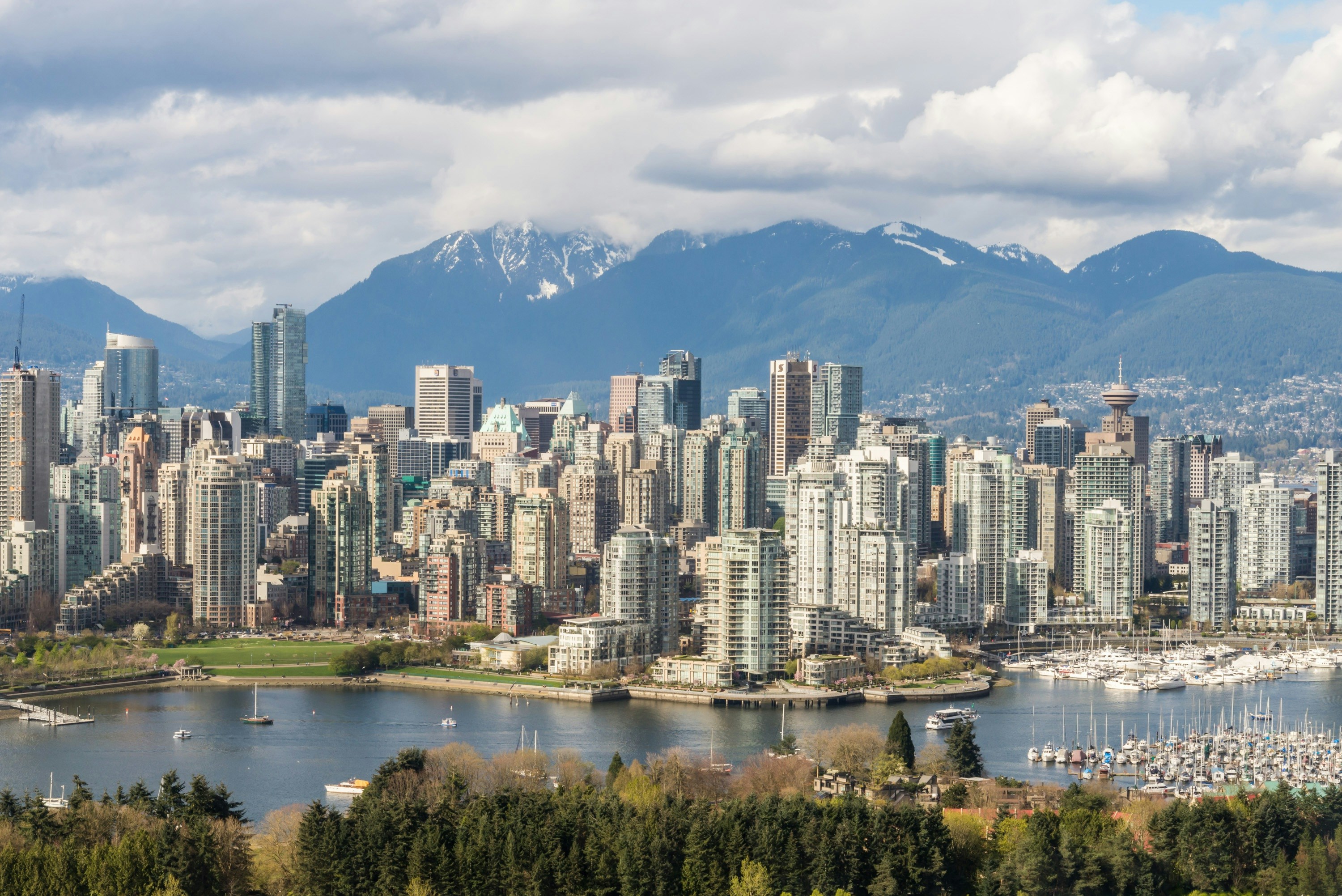
Vancouver: The Illusion Market Finally Bending
Inventory up.
Sales down.
Prices slipping.
Luxury dead.
Condos stagnating.
Pre-sales struggling.
Vancouver’s correction is slow — but deep.
This market is built on perception, and the perception is turning.
Toronto: The Over-Leveraged Epicenter
Toronto’s problem was always leverage.
Residents stretched further than any city in Canada.
Now renewal shock is hitting harder than anywhere else.
Detached homes: sliding.
Condos: slipping.
Investors: sweating.
Developers: delaying.
Assignments: bleeding.
Toronto is not crashing — Toronto is deflating with purpose.
Montreal: The Plateau No One Expected
Montreal, the quiet middle child of Canadian real estate, hit its ceiling.
Hydro low?
Yes.
Prices lower than Toronto/Vancouver?
Yes.
But incomes and affordability still broke.
Montreal is now 18 months into a plateau with softening, not crashing — but correcting nonetheless.
Calgary: The Final Holdout Begins to Fade
Calgary soared because everyone fleeing B.C. and Ontario pushed the fire.
But now?
Inventory climbing.
Sales slowing.
Prices flattening.
The 18-month delay is over.
The Economic Phantom Nobody Talks About: The Wealth Mirage
For 20 years, Canadians treated their homes as:
retirement funds
emergency savings
stores of wealth
investment vehicles
proof of success
national identity
Month 18 is the first time many homeowners are realizing:
“My net worth isn’t real if I can’t sell at last year’s price.”
Paper wealth is evaporating.
Quietly.
Politely.
Mathematically.
This isn’t a disaster.
This is rebalancing.
But it’s still painful for a country that built its identity on home equity.
Where Are We Now? The Real Answer
We are in a correction.
A real one.
A nationwide one.
A structural one.
A slow one.
A politically inconvenient one.
A psychologically painful one.
A financially inevitable one.
Eighteen months after the peak, the bubble isn’t bursting — it’s unwinding.
Not with panic, but with gravity.
Not with headlines, but with data.
Not with collapse, but with erosion.
This is the middle of the story.
The part people ignore because it isn’t dramatic.
But Month 18 sets the stage for what comes next:
Renewals
Forced sales
Developer consolidations
Investor capitulation
Regional divergence
Municipal fiscal strain
Federal policy panic
A generational reset in how Canadians think about housing
Month 18 is the midpoint.
Month 36 will be the reckoning.
And Month 60 will be the rebirth.